
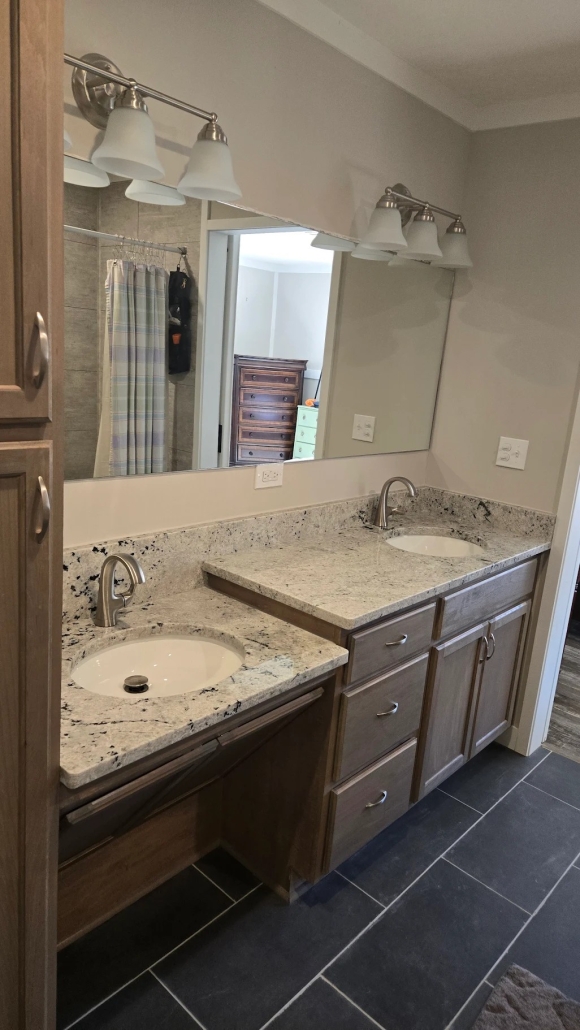
Room to Breathe: Why Widening Your Home’s Paths is a Game Changer for Aging in Place
In our previous look at making your “forever home” actually last, we discussed the mindset shift required to stay in the home you love as you age. But once you’ve decided to stay, the next question is usually: “Where do we start?”
While many people immediately think of grab bars or ramps, one of the most transformative changes you can make to a home isn’t about what you add—it’s about the space you create.
At ContractorMen, we call this “Room to Breathe.” By widening the paths and doorways of your home according to ADA (Americans with Disabilities Act) guidelines, you aren’t just preparing for a wheelchair; you are opening up your home for better light, better flow, and ultimate independence.
The 32-Inch Standard: More Than Just a Number 
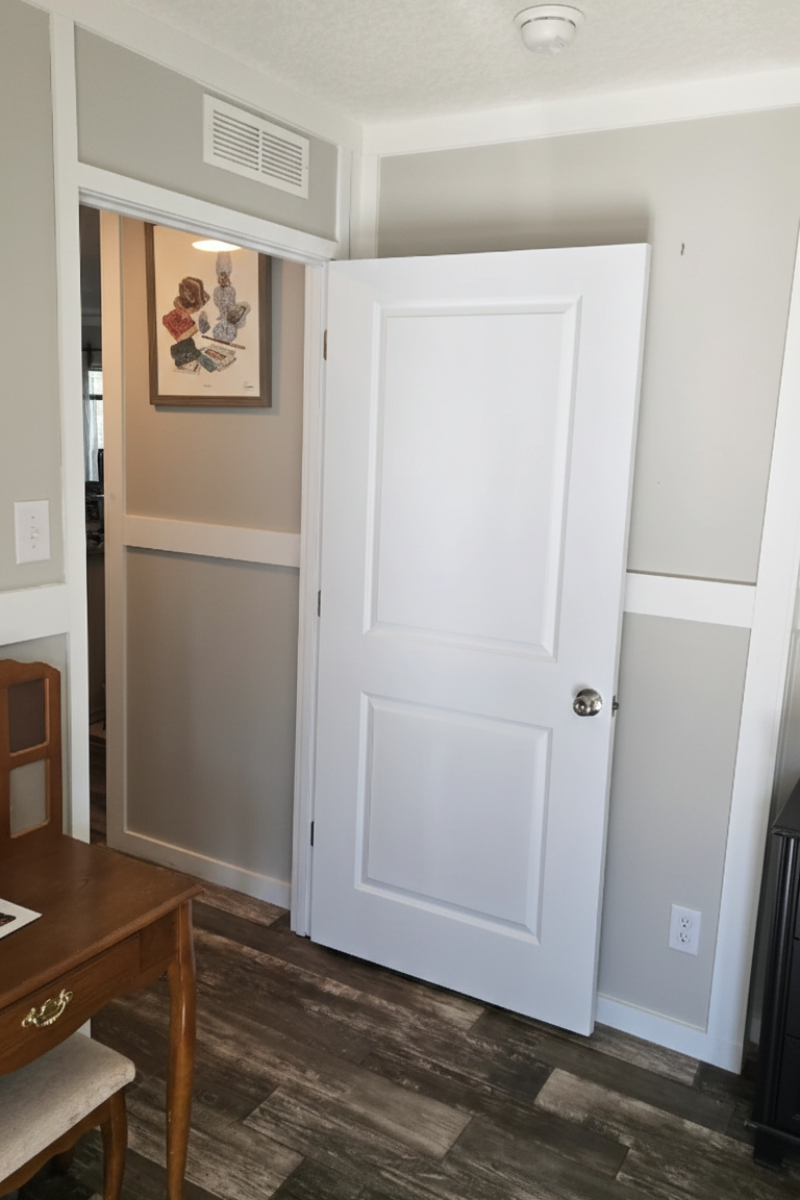
Most standard interior doors in older Georgia homes are 28 to 30 inches wide. While that’s fine for a fit adult, it becomes a major “pinch point” the moment you need a walker, a wheelchair, or even just a little extra stability.
ADA guidelines recommend a minimum clear width of 32 to 36 inches.
- The Mobility Factor: A 36-inch doorway allows a wheelchair or walker to pass through without scraping knuckles or bumping frames.
- The Turning Radius: It’s not just the door itself; it’s the space behind it. ADA standards look for a 5-foot diameter of clear space to allow a 360-degree turn.
- The Visual Impact: Here’s the secret—wider doorways and hallways don’t look “medical.” They look expensive. They create an open-concept feel that makes a home feel larger and more luxurious.
When Is the Right Time to Make the Change?
One of the most common mistakes we see at ContractorMen is homeowners waiting for a “trigger event”—like a fall or a surgery—before they remodel.
The best time to widen your paths is five years before you think you need to. If you are already planning a kitchen remodel or replacing your flooring, that is the perfect window. Widening a doorway often involves moving light switches or adjusting trim; doing this while you already have a professional crew on-site saves you time, money, and the stress of a “panic renovation” later.
Beyond Doorways: The “Invisible” ADA Features 
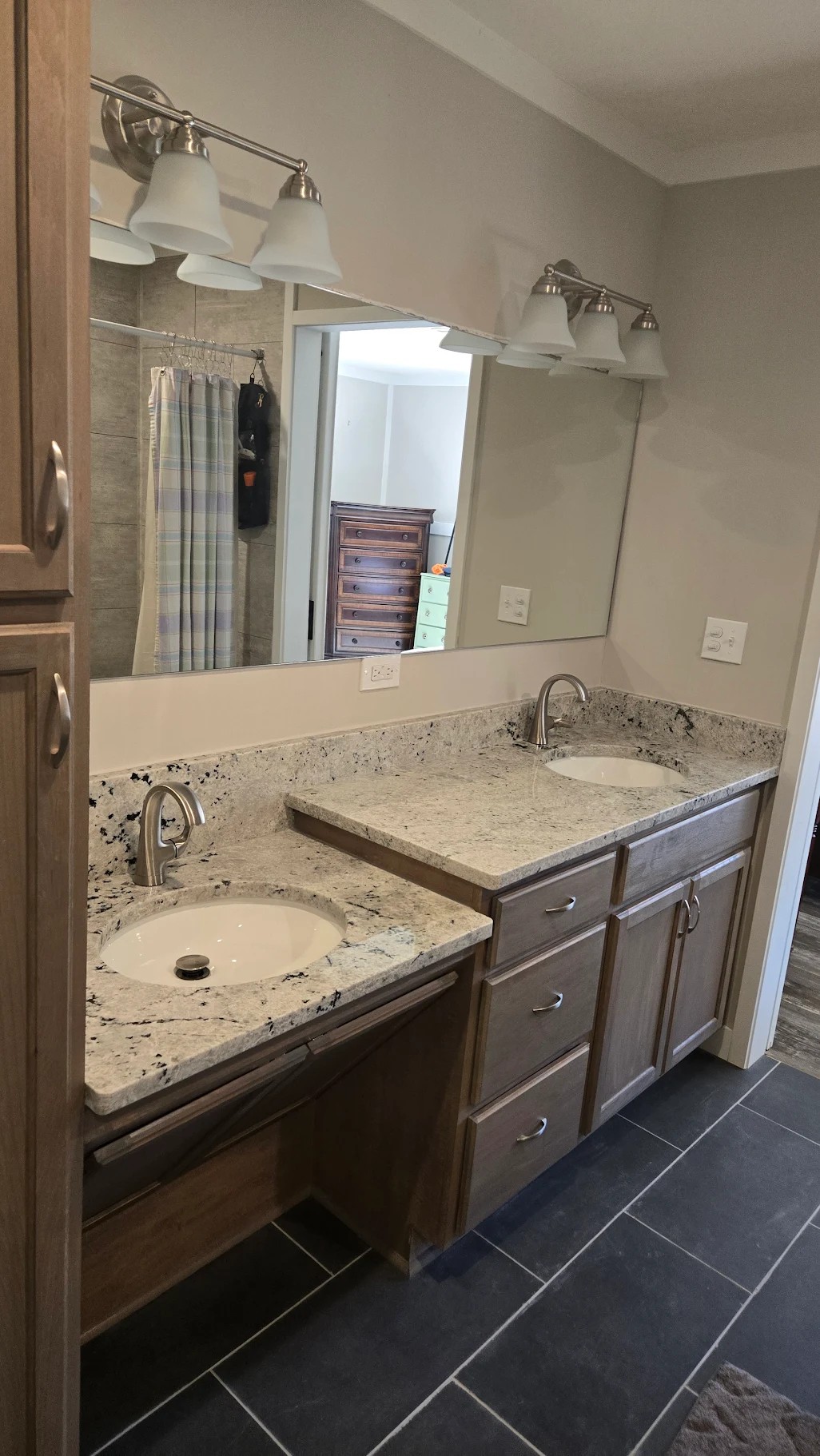
Ease of movement isn’t just about the width of the hall; it’s about the obstacles in your way. To truly make your home future-ready, we look at:
- Zero-Entry Thresholds: We eliminate the “lips” between rooms and at the front door. This removes tripping hazards and allows wheels to glide effortlessly.
- Lever-Style Handles: Swapping out round knobs for ADA-compliant levers means you can open doors with a closed fist or a single finger—essential for those with arthritis or limited grip strength.
- Strategic Lighting: A wide path is only safe if you can see it. We integrate recessed LED lighting that illuminates your “path of travel” without creating glare.
The ContractorMen Difference: Aesthetics Meet Accessibility
At ContractorMen, we believe that “handicapped accessible” should never mean “hospital-like.” Our goal is Invisible Accessibility. We use our 35+ years of experience in North Georgia to ensure your home modifications blend seamlessly with your existing architecture. Whether it’s moving a load-bearing wall to open up a hallway or installing custom-stained 36-inch doors that match your original woodwork, we prioritize your home’s beauty just as much as its safety.
Ready to give your home more room to breathe? Don’t wait for a mobility challenge to dictate your home’s design. Let’s be proactive.
Call ContractorMen: (404) 801-5656 or contact us online to discuss how we can make your home truly last a lifetime.
Call ContractorMen: (404) 801-5656 or contact us online to discuss how we can make your home truly last a lifetime.